
What is human trafficking?
- Force Physical violence or threats used to control victims.
- Fraud False promises of employment, love, or opportunity.
- Coercion Psychological manipulation or threats to a victim or their loved ones.
Every child deserves someone willing to move—to recognize the risk, understand what is happening, and help create a path toward safety.
Human trafficking is one of the darkest crimes of our time, and children are among its most vulnerable victims.
ONEKID Foundation is committed to protecting children from exploitation, helping survivors rebuild their lives, and dismantling trafficking networks.
By focusing on one child at a time, we create a ripple effect of hope and transformation. Saving even one child has the power to change the world.
Human trafficking is often misunderstood.
It is not limited to cases of abduction or physical restraint. Understanding how exploitation actually works makes it easier to recognize risk before it is overlooked.
Each form of child trafficking represents a unique threat to the safety, dignity, and future of young people around the world.

Children are coerced into commercial sex acts including prostitution, pornography, and other sexual abuse. These crimes may occur in brothels, private homes, or through online platforms. In the U.S., any minor involved in commercial sex is legally considered a trafficking victim, regardless of consent.
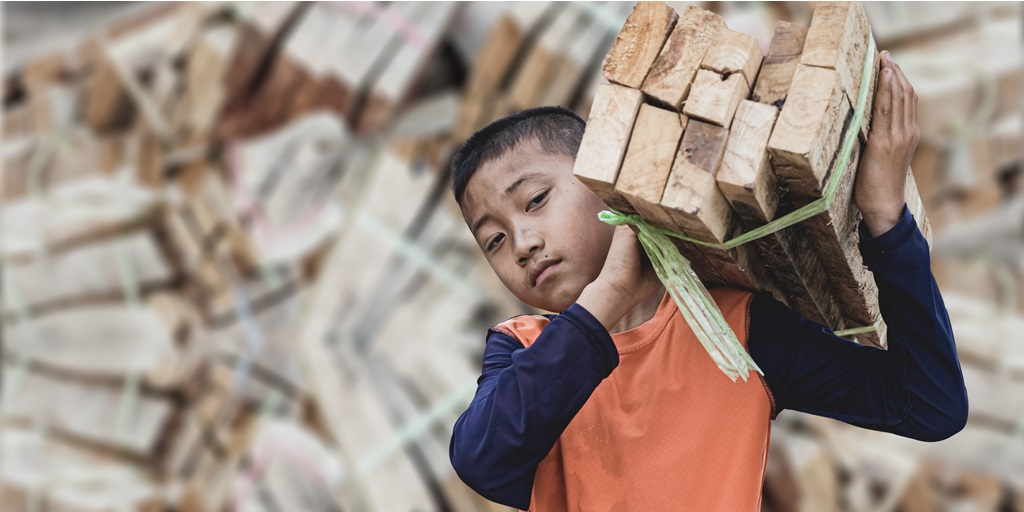
Children are exploited in agriculture, domestic service, construction, and more. They face long hours, hazardous conditions, and receive little or no pay. This form of trafficking strips them of their rights, freedom, and dignity.
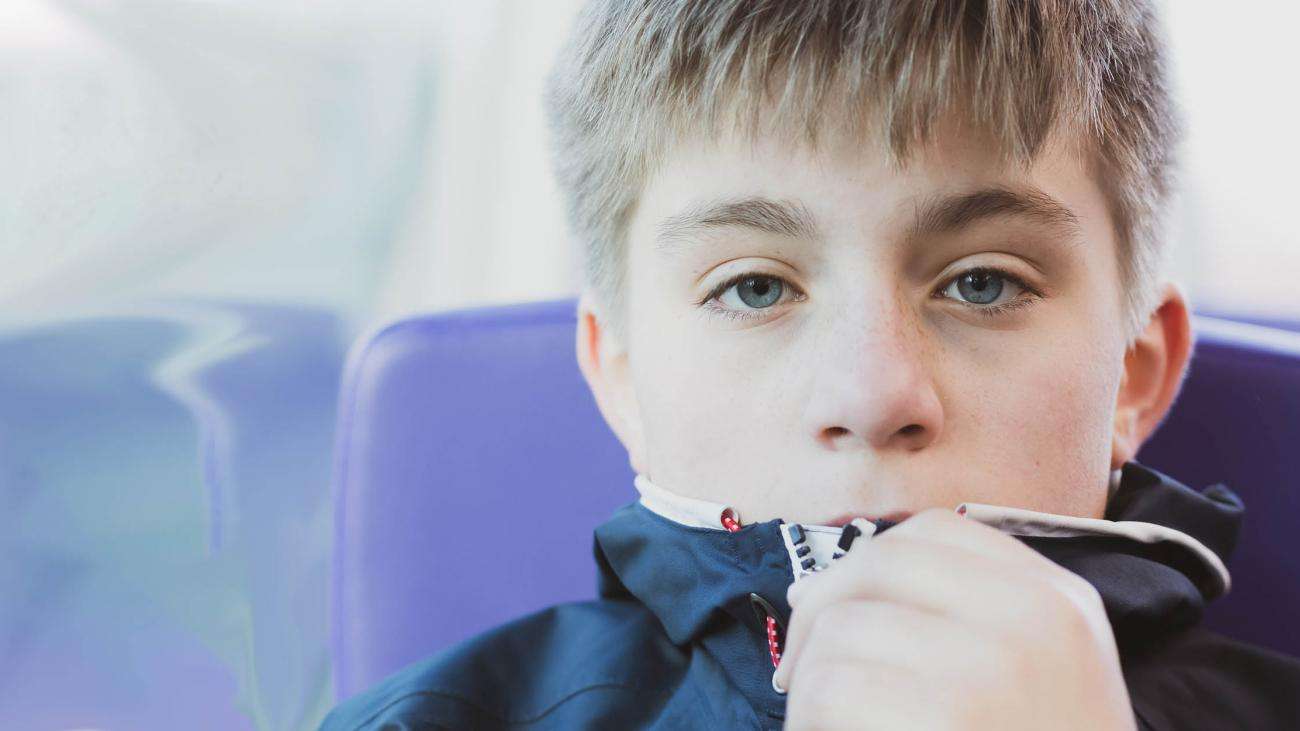
Children are trafficked to commit crimes such as theft, drug trafficking, and begging. Organized crime groups exploit children to avoid detection and prosecution, placing minors at high legal and physical risk.
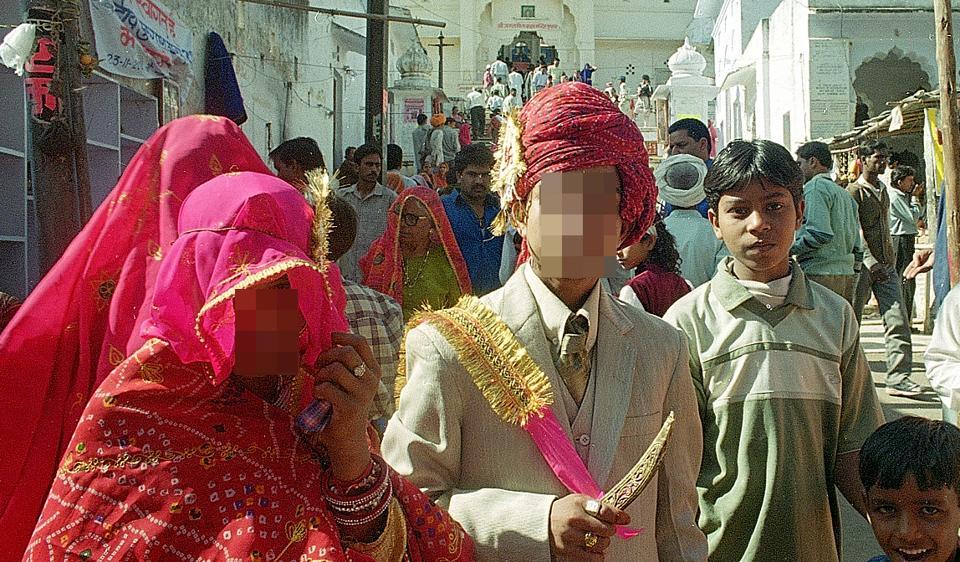
Children, especially girls, are married off without their consent. These unions can involve sexual exploitation, domestic servitude, and isolation. Victims often lose access to education and personal development opportunities.
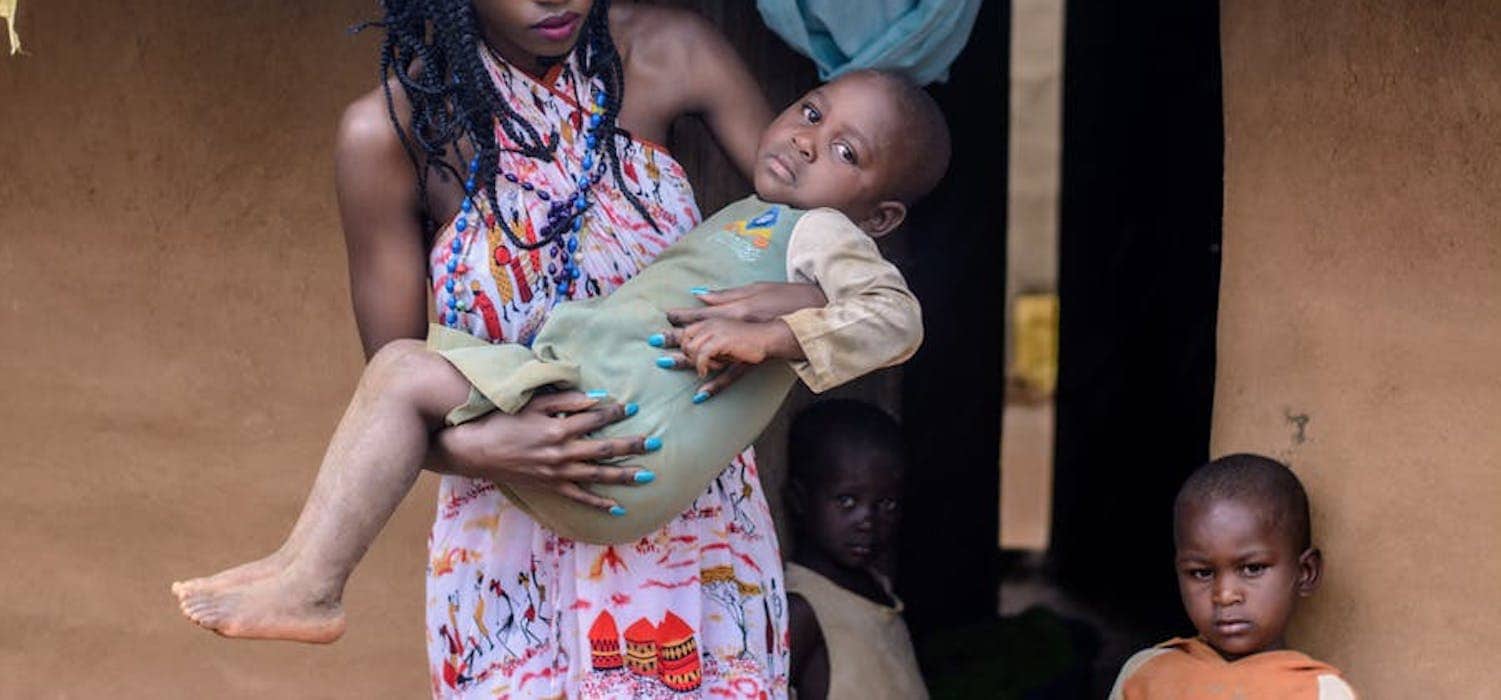
Children are trafficked through fraudulent adoption processes. Often sold to families domestically or internationally, these children may face further abuse and exploitation with little oversight or recourse.
Child trafficking does not occur in a vacuum. Economic pressure, instability, discrimination, displacement, and online access can create conditions traffickers exploit.
Families in economic hardship are more vulnerable to traffickers’ false promises.
War and instability leave children unprotected and easy to exploit.
Girls face disproportionate risks due to cultural and societal discrimination.
Social media and digital platforms are used to lure and groom victims.
Looking at misconceptions that help traffickers elude and evade. What people expect trafficking to look like can prevent them from recognizing what is actually happening.
Many survivors have been trafficked by romantic partners, including spouses, and by family members, including parents.
In reality, most traffickers use psychological means such as tricking, defrauding, manipulating, or threatening victims into providing commercial sex or exploitative labor.
Human trafficking cases have been reported and prosecuted in industries including restaurants, cleaning services, construction, factories, and more.
Thousands of trafficking cases have involved foreign national survivors who are legally living and/or working in the United States. These include survivors of both sex and labor trafficking.
Initial consent to commercial sex or a labor setting prior to acts of force, fraud, or coercion—or if the victim is a minor in a sex trafficking situation—is not relevant to the crime, nor is payment.
That is sometimes the case. More often, however, people in trafficking situations stay for reasons that are more complicated.
Traffickers use manipulation and deceit to exploit vulnerabilities. Some common recruitment tactics include:
By understanding these tactics, we can better identify and prevent trafficking.
Trafficking is not limited to a specific gender, race, or economic status. False assumptions often lead to profiling and overlooked victims. By confronting these biases, we ensure no one is left behind in the fight against trafficking.
Join us in the fight against trafficking. Together, we can protect the vulnerable, support survivors, and create a safer future for all.
Get involvedSupporters deserve to understand how an organization is structured and how resources are used to support the mission.
ONEKID Foundation is recognized by the IRS as a publicly supported charitable organization under Section 501(c)(3). Our classification within the nonprofit sector places the foundation in the area of child abuse prevention and protection.
For those who want to look deeper, we have provided a clear breakdown of the IRS record, how the organization is classified, and how funding supports the work itself.
View transparency details